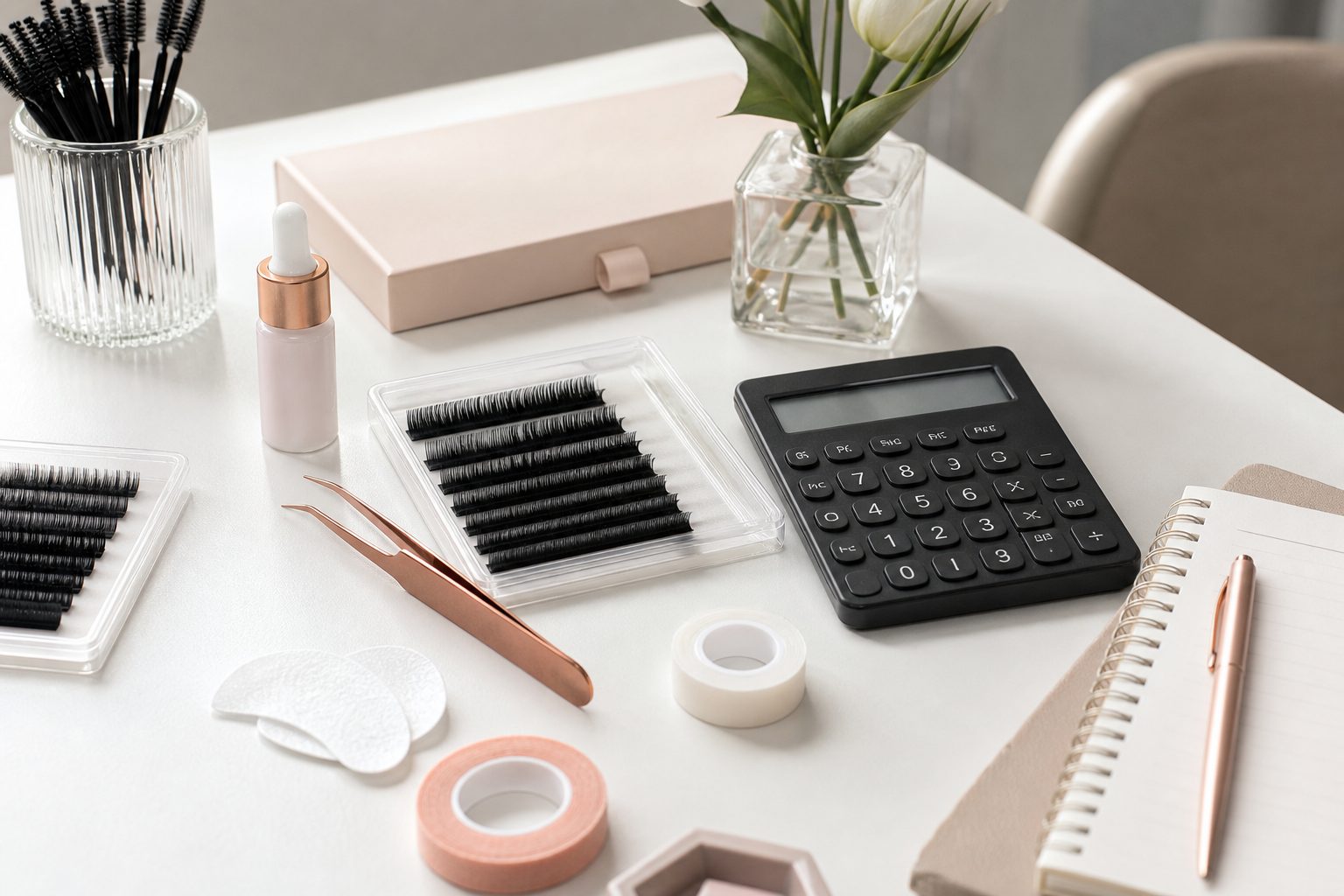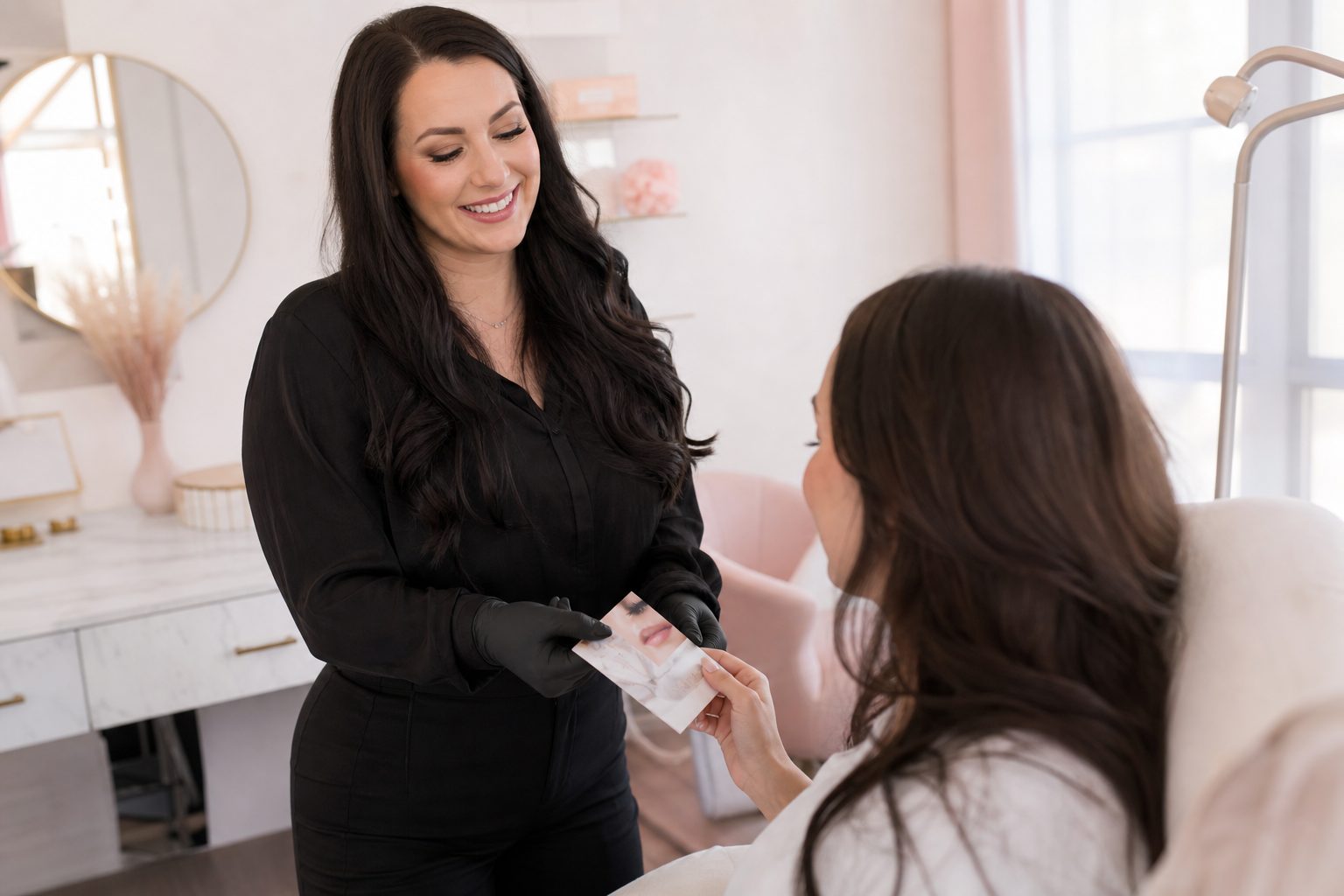
Before a client stands up, seven things need to happen: a mirror check with two spoken questions, a next fill date written into the book, aftercare handed over in writing, a technical note recorded for the set you just did, a retention observation from the previous fill, a photo captured under your standard consent, and a station reset. That is the whole sequence. Run in order it takes about four minutes.
Those four minutes are the highest leverage part of your day. Application quality decides whether she likes the set. The closing sequence decides whether she comes back on week three instead of drifting to week six with eleven lashes left and a bad opinion of extensions.
The reason to make it a fixed sequence, rather than a set of good intentions, is that you will be tired at 6:40 on a Friday. A sequence survives being tired. Good intentions do not.
Final mirror check and the two questions worth asking out loud
Sit her up before you hand her the mirror. Looking at a fresh set while still reclined distorts what she sees, and half the panicked reactions artists get are just an odd viewing angle.
Then ask two questions, out loud, every time:
- "Does anything feel like it is touching or poking?" This catches a stuck lash, a bonded pair at the inner corner, or an extension resting on the waterline. It is far cheaper to fix now than to have her call you Saturday morning.
- "Is this the length and drama you wanted, or do you want more next time?" This is not fishing for a compliment. It is a mapping note for the next visit, and it turns her vague dissatisfaction into a specific instruction you can act on.
Write the answer to the second question down. If she says she wants more drama, that is the note that keeps her from silently trying the artist two suites over.
What to do if she hesitates
A pause before "no, it's great" is real information. Ask what she would change if she could change one thing. Most of the time it is inner corners that feel sparse or an outer edge she wanted longer. Both are five minute fixes right now.
Keep reading: How much does a full set of volume lashes really cost me in product and chair time?
Confirming the next fill date in the book before she stands up
This is the single step with the biggest financial consequence, and it is the one most often skipped because it feels like selling. It is not selling. It is scheduling maintenance on work you already did.
The phrasing that works is assumptive and specific. Not "do you want to book a fill?" but "you are due back in two and a half weeks, so I have Thursday the 19th at 10 or Saturday the 21st at 2, which is easier?" Two options, both real, both dated.
The interval is not a guess. Natural lashes shed on their own cycle, and a client typically loses a meaningful share of extensions across two to three weeks depending on her growth rate, her aftercare and how she sleeps. Your own notes across her last three visits tell you her personal number better than any general rule does.
If she genuinely cannot commit, book her anyway with an explicit understanding that she can move it. An appointment she moves is still an appointment. A gap in the book is nothing.
Handing over aftercare in writing, not just saying it
Spoken aftercare is forgotten by the time she reaches her car. She has just spent two hours with her eyes closed and is thinking about traffic.
Hand her something physical or send something digital, and say the three things that actually matter while you do it:
- No steam, sauna, hot yoga or heavy sweat for the first 24 to 48 hours while the adhesive finishes curing.
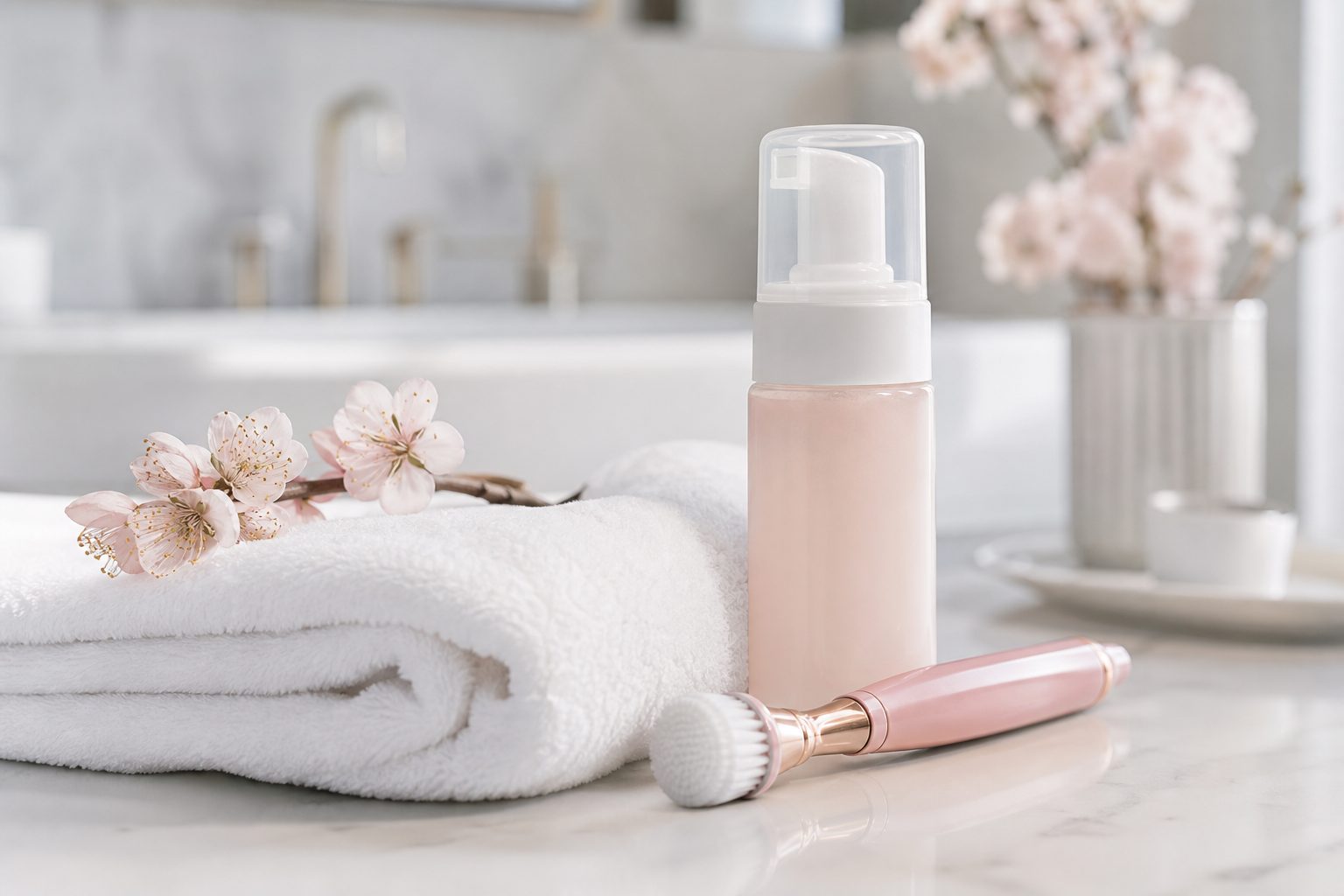
- Cleanse daily with a lash safe foaming cleanser and a soft brush, then dry with a fan or a cool blow dryer on low.
- No oil based products near the lash line, and no mechanical curler on extensions.
Keep the written version to those points plus your contact details and your policy window for fixes. A card with eighteen bullets gets read as decoration.
Keep reading: What actually happens to retention when a client works out five days a week?
Noting adhesive lot, curl, length and map used this visit
This is your technical record and it exists for two reasons: reproducing a set she loved, and diagnosing a set that failed.
The minimum useful note is short enough to write in forty seconds:
| Field | Example entry |
|---|---|
| Adhesive brand and lot | Brand X, lot 2405, opened 3/2 |
| Room conditions | 71 F, 48% humidity |
| Curl and diameter | CC curl, 0.07 |
| Lengths by zone | 9 inner, 11 to 12 mid, 10 outer |
| Map style | Cat eye, doll eye on left to balance droop |
| Fans | 4D handmade, ~0.28 total weight |
The adhesive lot and room conditions matter more than artists expect. If three clients in one week report poor retention, the shared variable is almost always the bottle or the room, not three separate sets of bad habits.
Logging retention observed from the previous fill
Do this at the start of the appointment and record it at the end while it is fresh. You already assessed it when you decided how long the fill would take.
A simple estimate is enough. Roughly what fraction of extensions remained when she sat down, and at what day interval. Forty percent remaining at day 21 is a healthy client. Forty percent remaining at day 12 is a problem to solve.
Two or three of these logged in a row turn a vague impression into a pattern you can act on: shorten her interval, drop a diameter, change her cleanser, or check whether she is sleeping face down on one side. This per client history is the exact thing LashRetention is built to hold, so the pattern surfaces without you keeping it in your head.
See how LashRetention handles this for lash and brow studios
Photo capture and consent handled the same way every time
Same spot, same light, same angle, eyes closed and eyes open. Consistency is what makes the photo useful later as a comparison rather than just content.
Consent should be handled once, in writing, at intake, with a clear scope: internal records only, or records plus social and website use. Do not rely on a nod at the chair. If she consented to records only, the photo still has value to you for mapping and for any dispute about a set.
Two practical habits: shoot before she puts her glasses back on, and keep a small clean mirror or plain wall as your fixed background so your grid does not look like seven different studios.
Resetting and disinfecting the station before the next arrival
Reset before you check your phone. Once you sit down with your phone, the reset happens in a hurry while the next client is already in the doorway.
The core sequence: dispose of single use items, wipe the bed and headrest with an EPA registered disinfectant and observe the actual wet contact time on the label, clean tweezers per your state board's requirements, cap the adhesive and store it correctly, and lay out fresh tape, gel pads and applicators.
Requirements for tool cleaning and disinfection are set by your state cosmetology or esthetics board and they differ meaningfully between states, so read your own board's rules rather than a rule you saw online. Whatever your state requires, do it the same way every time so an inspector walking in mid day sees your normal, not a scramble.
Making the sequence stick
Print the seven steps and tape them where you can see them from the stool. Run them in order for two weeks and it becomes automatic. The tell that it is working is not that clients compliment your professionalism. It is that your three week column starts filling itself.
The parts that depend on memory, her personal fill interval, her retention history, whether the aftercare message actually went out, are the parts that quietly slip first. LashRetention tracks the fill cycle per client, scores retention visit over visit and sends the rebooking prompt and aftercare message on schedule, so the four minutes at the chair stay about her eyes and not about your notes.